Data Breaches & How They Impact Small Businesses

Quick Answer
SMBs and SMEs need to understand the risks of [data breaches](/blog/data-breaches-how-they-impact-small-businesses/) and take proactive measures to _ensure the security of their enterprise if they wish to maintain a strong market position_. They need to evolve their [cybersecurity practices](/resources/top-10-phishing-prevention-practices/) with time to grow well for the future.
The rising threat of cyberattacks and data breaches, in particular, can cripple any organization, especially a small business. SMBs and SMEs are the top targets for threat actors owing to their lack of proper cybersecurity defenses and risk mitigation practices.
SMBs and SMEs need to understand the risks of data breaches and take proactive measures to ensure the security of their enterprise if they wish to maintain a strong market position. They need to evolve their cybersecurity practices with time to grow well for the future.
Key Statistics
Here are some key statistics revolving around data breaches, phishing, and SMBs to help you visualize the current risk of cyberattacks to your enterprise:
Why Malicious Actors Target Small Businesses
“When I talk to prospects about phishing protection, I don’t lead with features - I lead with math. A single successful BEC attack costs $125,000 on average. Phish Protection for a 50-person company costs $49 a month. The ROI calculation writes itself. You’re not buying software, you’re buying insurance that actually works.” - Dan Calkin, VP of Sales, DuoCircle
Businesses have the false impression that their small size makes them smaller targets, which could not be farther from the truth. Cyber adversaries often target small businesses more than their larger counterparts as SMBs and SMEs lack dedicated cybersecurity resources. Small businesses keep a strict budget for managing their enterprises and have little room for unexpected cybersecurity costs.
Small businesses lack experienced cybersecurity professionals, opening the door to cybercrimes involving misuse of credentials, personal and payment information, and financial transactions. Furthermore, SMBs and SMEs make enticing targets for malicious actors as they are the doors to larger organizations partnering with them for a more significant supply chain attack, affecting multiple organizations and a large consumer base.
How Phishing Connects to Data Breaches
A 2021 survey revealed phishing as the top causality for data breaches in 2020 and 2021, with data breaches initiated by phishing at 51% and 53% in 2020 and 2021, respectively. Cybercriminals use sophisticated phishing emails to target unsuspecting employees, redirecting them to fake login pages designed to steal credentials. Once they have access to your businesses’ network and account, they can use it for malicious purposes such as distributing ransomware and malware, causing a denial of service, but most of all, stealing valuable data.
Phishing is a top cause of concern in data breaches, so businesses need to handle the spear-phishing menace and employ the best anti-phishing solutions and policies.
What Is the Impact of Data Breaches on Small Businesses?
As a small business owner, you need to understand both the short-term and long-term impacts of data breaches and cyberattacks and take appropriate measures. The impacts include:
- Regulatory fines: The security of confidential transactions and deals, personal information of customers, and proprietary business data is of paramount significance, so small businesses need to prepare themselves for financial losses paid as regulatory fines for losing customer data.
- Investigations: Small businesses will also need to mount a full-scale forensic examination to confirm if a data breach occurred, find the cause, and eliminate it to reduce the vulnerability window and help prevent such occurrences in the future. However, these investigations can come with high costs.
- Credit Monitoring: Small enterprises may also face charges of mandated credit monitoring for clients whose information has been misused or exposed to ensure that such data is not used for credit accounts, which is a cost and time-consuming effort.
- Loss of Customers: 88% of customers entrust sensitive data with only trustworthy brands and businesses. A data breach may stir controversy regarding your businesses’ ability to protect and handle customer data, leading to a loss of consumer base.
** **
Top Ways SMBs and SMEs Can Strengthen their Cybersecurity Posture
Small businesses can address cybersecurity risks to decrease the risk of data breaches by:
- Employing Cybersecurity Practices: Prioritizing cybersecurity infrastructure and investing in cybersecurity insurance is the best way to ease the burden of financial losses and swift recovery.
- Staff Education: Employ training workshops to educate employees on social engineering tactics, identification of phishing emails, and secure password policies. In addition, businesses should revoke the privileges and access of ex-employees.
- Secure Vendor Services: Select vendors and partners carefully, employ zero-trust policies for limiting access, and opt for service providers that package cybersecurity offerings.
- Background Checks: Examine employees’ backgrounds and employ monitoring protocols to identify employee behavior anomalies to rule out potential insider risks.
- Using Firewalls: Updating systems, using anti-virus and firewalls for a secure network, and regular system scanning provides a cost-effective and efficient way to reduce the risk of cyberattacks.
** **
Final Words
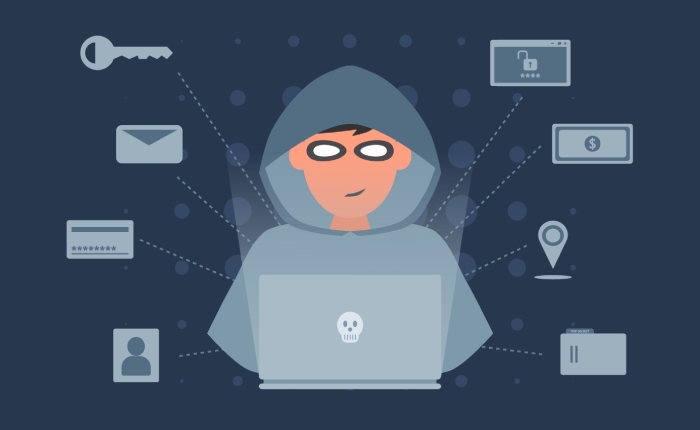
Small businesses have a target on their backs and need to focus on robust cybersecurity policies to reduce the risk of data breaches, phishing, and other cyberattacks. SMBs and SMEs can strengthen their cybersecurity posture by following the points discussed in this post.
Topics
General Manager
General Manager of DuoCircle. Product strategy and commercial lead across DuoCircle's 2,000+ customer base.
LinkedIn Profile →Protect your inbox from phishing attacks
Real-time email security with 60-day free trial. No credit card required.