The Rise Of Autonomous Threat Hunting In Zero-Day Protection Software

Quick Answer
Zero-day threats represent a significant challenge in today’s cybersecurity landscape. Unlike familiar vulnerabilities, these exploits focus on newly identified weaknesses that traditional signature-based defenses cannot address. As cybercriminals employ more advanced strategies, organizations realize that merely responding to threats is inadequate.
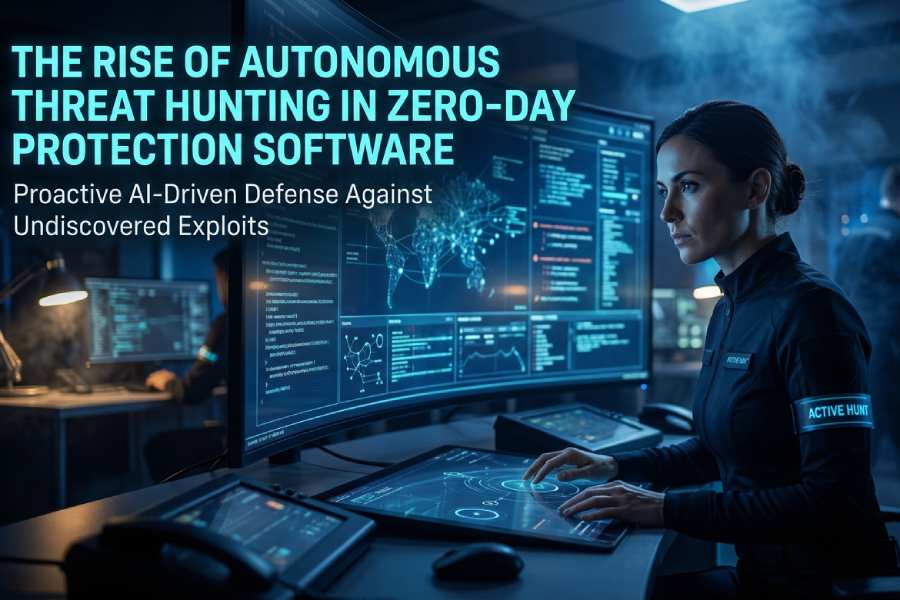
Zero-day threats represent a significant challenge in today’s cybersecurity landscape. Unlike familiar vulnerabilities, these exploits focus on newly identified weaknesses that traditional signature-based defenses cannot address. As cybercriminals employ more advanced strategies, organizations realize that merely responding to threats is inadequate. In response to this changing environment, a groundbreaking strategy has emerged: the use of autonomous threat hunting in zero-day protection software like PhishProtection for phishing attacks.
Autonomous threat hunting marks a transition from traditional, analyst-led investigations to smart, self-operating systems that can pinpoint and react to threats instantly. Utilizing artificial intelligence (AI), machine learning (ML), and sophisticated analytics, these systems actively seek out concealed threats, detect irregularities, and mitigate risks before they grow into serious issues. This article delves into the transformation of zero-day protection software by autonomous threat hunting, examining its key elements, advantages, challenges, and prospects.
What Is Autonomous Threat Hunting?
Autonomous threat hunting involves utilizing AI-powered systems that independently probe for indicators of harmful activities throughout networks, endpoints, and cloud settings, eliminating the need for ongoing human oversight.
How It Differs from Traditional Threat Hunting
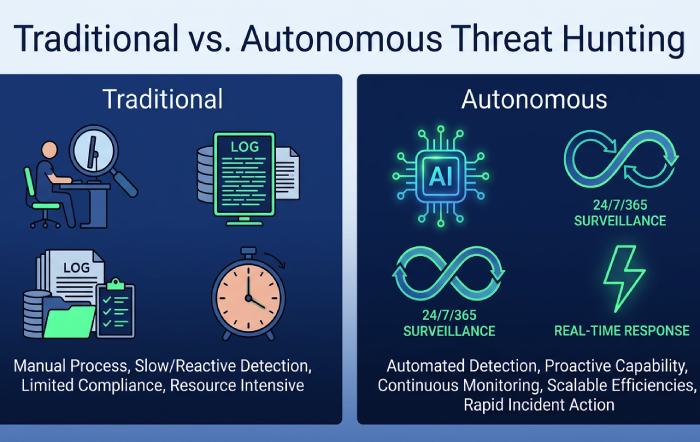
Conventional threat hunting is largely dependent on cybersecurity experts who sift through logs, assess alerts, and search for indicators of compromise (IOCs) by hand. Although this method proves effective, it requires significant time and is constrained by human limitations.
On the other hand, autonomous threat hunting involves:
- Ongoing surveillance of systems around the clock
- Employing behavioral analysis rather than relying solely on fixed signatures
- Identifying unfamiliar and evolving threats, such as zero-day vulnerabilities
- Initiating real-time responses with little to no lag time
This forward-thinking strategy greatly minimizes the potential duration of exposure to cyber risks.
Why Zero-Day Threats Demand Autonomous Solutions
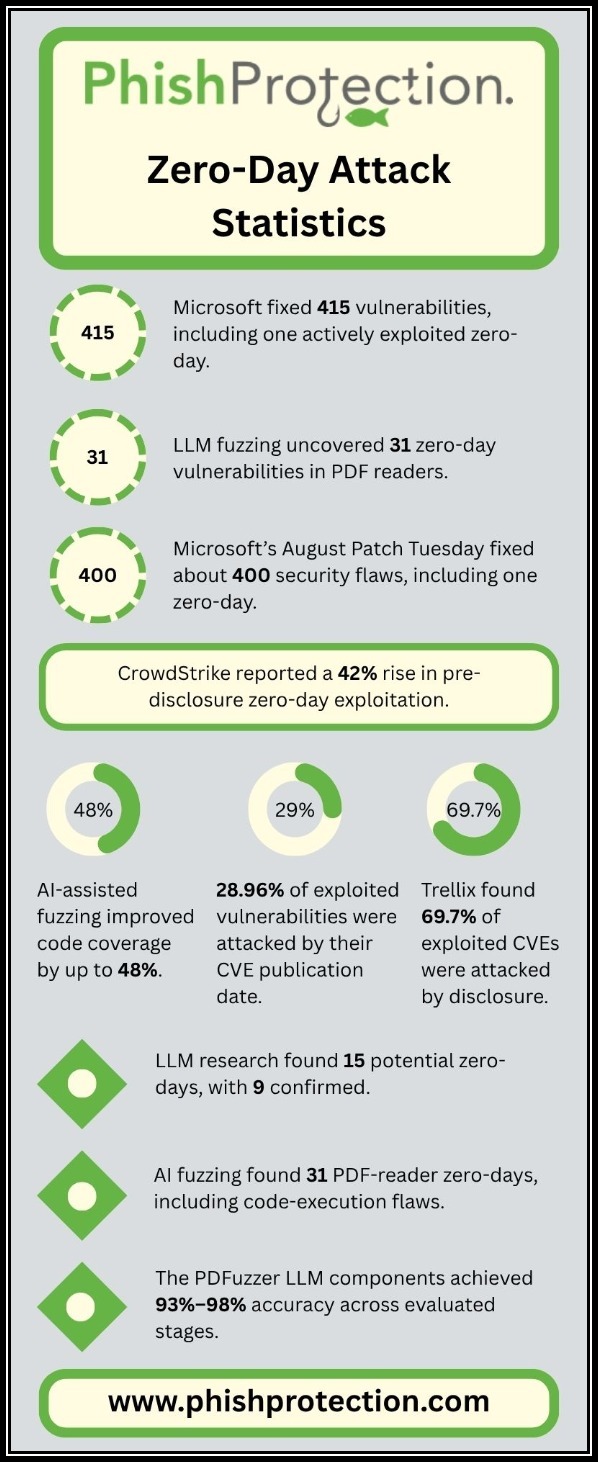
Zero-day attacks pose significant risks since there are no available fixes or recognized signatures for identification. This underscores the urgent requirement for sophisticated detection systems.
Limitations of Signature-Based Detection
Signature-based systems rely on established threat patterns. When a new, unfamiliar exploit emerges, these systems frequently struggle to identify it, enabling attackers to breach systems without being noticed.
The Speed of Modern Cyberattacks
Cyberattacks can happen in mere minutes or even seconds. Human investigations struggle to match this rapid pace, highlighting the necessity of automation for quick detection and response.
Expanding Attack Surfaces
The surge in remote work, cloud technology, and Internet of Things (IoT) gadgets has led to a significant rise in potential access points. Automated systems are better equipped to oversee these intricate settings compared to traditional manual methods.
Core Technologies Powering Autonomous Threat Hunting
Self-directed threat hunting depends on a synergy of cutting-edge technologies that collaborate to detect and address threats.
Artificial Intelligence and Machine Learning
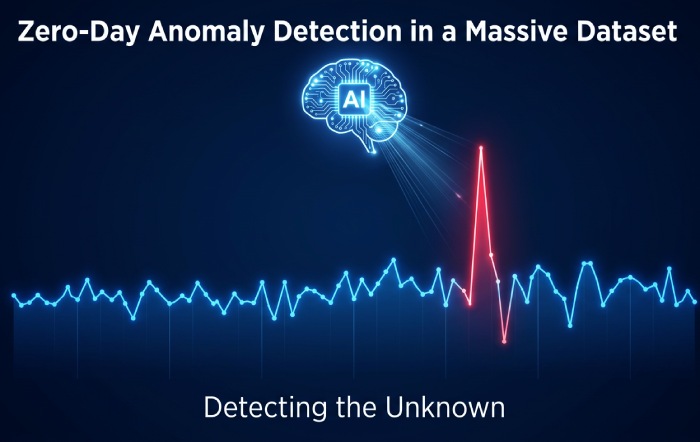
AI and machine learning algorithms sift through large datasets to uncover trends and irregularities. By understanding what constitutes “normal” behavior, these systems are capable of spotting deviations that could signal a zero-day attack.
Behavioral Analytics
Rather than depending on established signatures, behavioral analytics emphasizes the actions of users, applications, and systems. Notifications and automatic responses are activated by questionable activities, like irregular login behaviors or atypical data transfers.
Threat Intelligence Integration
Autonomous systems utilize worldwide threat intelligence sources to remain informed about new risks. This enables them to align internal information with external threat data, leading to improved detection accuracy.
Automation and Orchestration
Automation allows systems to quickly respond to detected threats, like isolating a compromised endpoint or stopping harmful traffic. Meanwhile, orchestration guarantees that these responses are harmonized throughout the entire security framework.
Key Benefits of Autonomous Threat Hunting in Zero-Day Protection
Implementing autonomous threat hunting provides numerous important benefits for organizations.
Faster Detection and Response
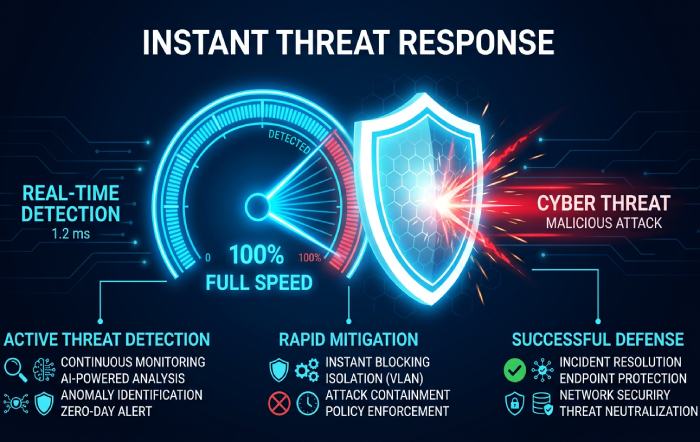
Autonomous systems are capable of recognizing threats instantly, significantly shortening the interval between detection and response. This helps to limit potential harm and prevent data loss.
Reduced Analyst Workload
Autonomous systems manage regular monitoring and preliminary investigations, allowing cybersecurity experts to concentrate on more intricate assignments and long-term strategies.
Improved Accuracy and Reduced False Positives
Machine learning systems consistently enhance their grasp of typical behaviors, resulting in improved threat identification and reduced instances of false alerts.
Scalability Across Environments
Self-sufficient threat detection can adapt seamlessly to extensive and intricate settings, encompassing both hybrid and multi-cloud systems.
Real-World Applications of Autonomous Threat Hunting
Companies in different sectors are utilizing independent threat hunting to enhance their security measures against cyber threats.
Enterprise Security Operations Centers (SOCs)
Contemporary Security Operations Centers leverage autonomous technologies to boost their ability to identify threats, leading to quicker incident responses and greater operational efficiency.

Cloud Security
As workloads transition to the cloud, automated threat detection plays a crucial role in overseeing ever-changing environments, particularly where conventional security measures might be inadequate.
Endpoint Protection
Self-operating systems are able to identify unusual activities on endpoints, like unauthorized actions or privilege increases, and react immediately.
Challenges and Limitations
Although autonomous threat hunting provides many advantages, it also comes with its own set of difficulties.
Dependence on Data Quality
AI systems depend significantly on accurate and comprehensive data. Flaws or gaps in the data can result in overlooked risks or incorrect alerts.
Complexity of Implementation
Incorporating autonomous threat detection into current security systems can be challenging and might entail considerable financial commitment.
Risk of Over-Automation
Overdependence on automated systems without proper human monitoring may result in unexpected outcomes, including the prevention of valid operations.
Evolving Threat Landscape
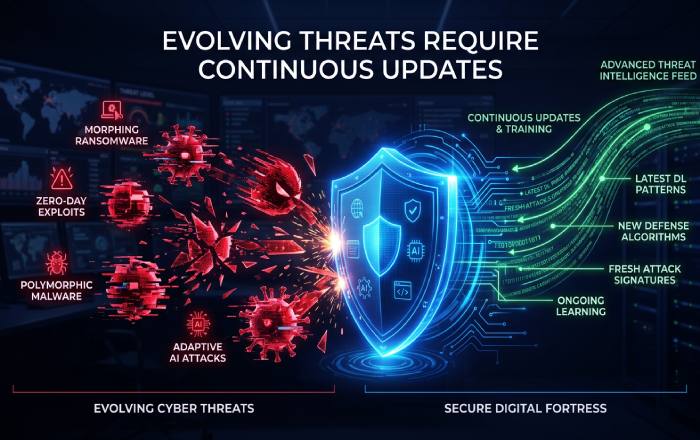
To stay effective, autonomous systems need frequent updates and training because cybercriminals are always evolving their strategies.
Best Practices for Implementing Autonomous Threat Hunting
For organizations to fully leverage the advantages of autonomous threat hunting, they should adhere to these recommended practices.
Combine Human Expertise with Automation
Although automation has great strength, the insight provided by human expertise is crucial for understanding intricate threats and formulating strategic choices.
Continuously Train and Update Models
Frequently refreshing machine learning models allows the system to respond effectively to emerging and changing threats.
Integrate with Existing Security Tools
Autonomous threat hunting must be integrated into a comprehensive security approach, complementing firewalls, intrusion detection systems, and endpoint protection solutions.
Establish Clear Incident Response Protocols
Establishing predefined response strategies guarantees that automated actions are consistent with the organization’s policies and meet compliance standards.
The Future of Autonomous Threat Hunting in Zero-Day Protection
The future of cybersecurity will focus on smart, flexible systems designed to anticipate new threats. Autonomous threat detection is anticipated to evolve significantly, benefiting from enhanced AI precision, real-time analytic capabilities, and seamless integration across different platforms.
Predictive Threat Detection
Upcoming technologies could not only identify potential threats but also anticipate them ahead of time, allowing for genuinely proactive cybersecurity measures.
Integration with Zero Trust Architecture
In Zero Trust environments, autonomous threat hunting will be essential for the ongoing validation of user and device actions.
Enhanced Collaboration Between Systems
Integrated security systems will exchange information and insights, forming a cohesive defense strategy against zero-day vulnerabilities.
Conclusion
The emergence of autonomous threat hunting represents a major advancement in the realm of zero-day protection software. Utilizing artificial intelligence, machine learning, and automation, companies can transition from a reactive approach to one that focuses on proactive, immediate threat response. Despite persistent challenges, the advantages of quicker detection, enhanced precision, and decreased workload position autonomous threat hunting as a crucial element in contemporary cybersecurity strategies.
With the ongoing evolution of cyber threats, organizations that adopt autonomous solutions will find themselves more capable of safeguarding their systems, data, and users against the increasing dangers posed by zero-day attacks.
General Manager
General Manager of DuoCircle. Product strategy and commercial lead across DuoCircle's 2,000+ customer base.
LinkedIn Profile →Protect your inbox from phishing attacks
Real-time email security with 60-day free trial. No credit card required.