Spike in Tax Phishing Scams: SMBs and Self-Employed Under Siege!

Quick Answer
Social Security Numbers are of **paramount significance** and help establish identity in a more proficient way. However, these [Social Security Numbers](https://consumer.ftc.gov/consumer-alerts/2024/05/no-one-using-your-social-security-number-commit-crimes-its-scam) are being exploited by threat actors to make quick money. The primary targets of this [tax phishing](/phishing/phishing-attacks-in-the-tax-season-and-to-do-about-it) and Social Security Numbers scam are self-employed filers and small business owners.
Social Security Numbers are of paramount significance and help establish identity in a more proficient way. However, these Social Security Numbers are being exploited by threat actors to make quick money. The primary targets of this tax phishing and Social Security Numbers scam are self-employed filers and small business owners.
These threat actors leverage the email lists of self-employed filers. These email lists are readily available on the dark web in exchange for a couple of cents.
How Is The Fraud Happening?
Phishing actors send out malicious emails that consist of fraudulent links. These links are meant to apply for an EIN or Employee Identification Number. The emails compel self-employed individuals or small businesses to click on these links in order to file income taxes as per the US Federal laws. By using generative AI, phishing actors make sure that the email content sounds flawless and convincing enough. Also, a sense of urgency is created by mentioning the last date for filing income taxes.
_If and when a victim falls for this scam and clicks on the malicious link carelessly, they are required to share some personal details _. These details include Social Security Number as well. The moment a victim enters the SSN, it exposes them to multiple issues. Sharing your Social Security Number can make it extremely convenient for threat actors to commit identity theft and other fraudulent activities.
The Internal Revenue System, or IRS, offers tax ID numbers and EINs completely for free. However, those who are unaware of this can easily fall for scams by threat actors and end up paying.
How to Safeguard Your SSN and Hard-Earned Money from the Tax Scam?
“Spear phishing attacks are fundamentally different from bulk phishing campaigns. They’re hand-crafted to target specific individuals using information gathered from LinkedIn, company websites, and previous data breaches. Generic email filters trained on bulk spam patterns consistently fail to detect them - that’s why targeted protection matters.” - Dan Calkin, VP of Sales, DuoCircle
If you are already getting worried about this latest tax scam by phishing actors, here’s a quick guide to keep you and your** personal details safe** and away from these threat actors.
If you ever receive a similar email, recheck all the details, such as the tax deadline .
Never ever forget to cross-check the origin of the email.
Keep yourself updated about federal rules and regulations. Your vigilance can protect you from scammers. First of all, the IRS offers EINs for free and will never ask you to furnish your personal details through social media platforms, emails, or text messages.
Always double-check the URLs in the browser when searching for the original websites. This will help you differentiate between a real and fake website.
Never try to connect with the IRS through unverified search results or random social media advertisements. Rather, type out the legit website address on the browser to save yourself from a potential scam.
Avoid falling for the sense of urgency that threat actors often try to leverage. Stay calm and focused while dealing with such malicious emails.
Update your devices at regular intervals and make the most out of the security features and systems, including phishing protection.
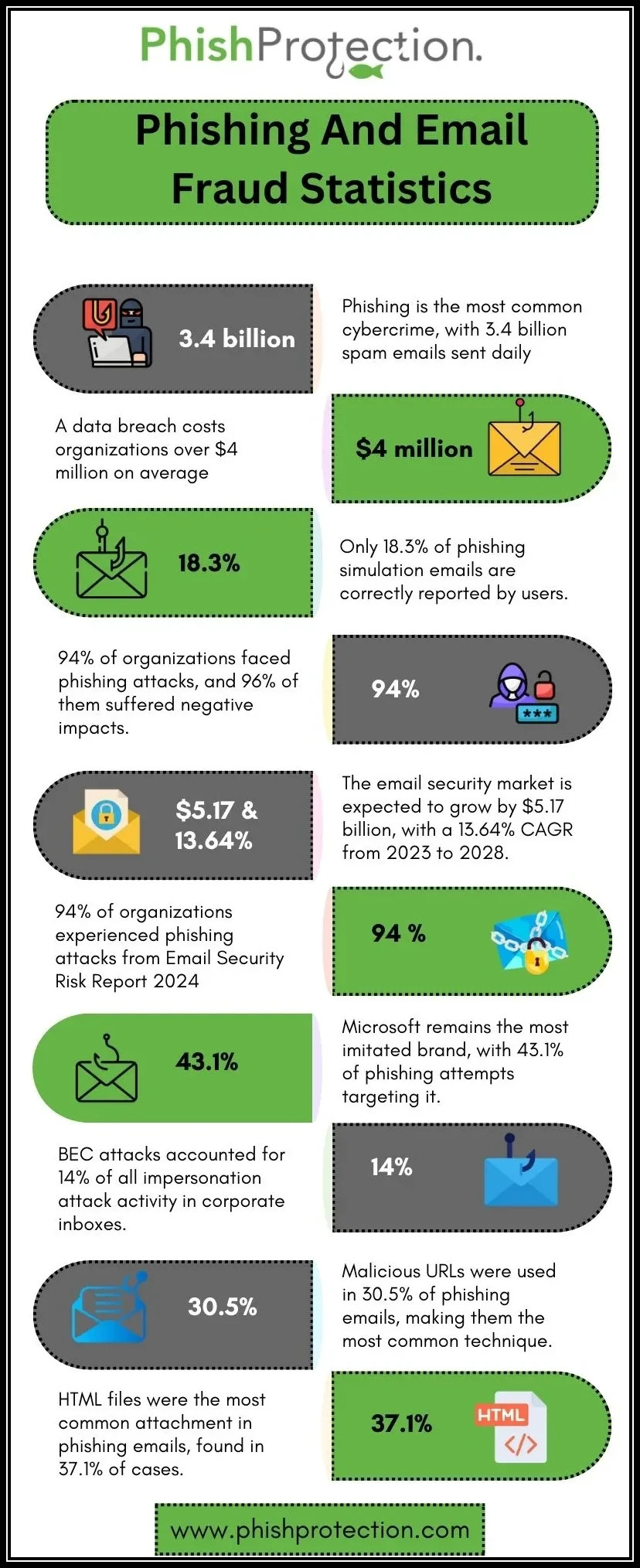
Phishing scams are quite common around the tax season. Your awareness is the only thing that can protect your peace of mind, sanity, and business.
Topics
General Manager
General Manager of DuoCircle. Product strategy and commercial lead across DuoCircle's 2,000+ customer base.
LinkedIn Profile →Protect your inbox from phishing attacks
Real-time email security with 60-day free trial. No credit card required.