Stay Alert During Amazon Prime Day: Threat Actors Set Up Scams Targeting Shoppers

Quick Answer
With the Amazon Prime Day shopping event driving shoppers crazy, malicious actors have already set **shopping traps** to exploit unsuspecting buyers. Therefore, it is vital to draw your line of defense against possible [phishing](/resources/what-is-phishing) attempts that might catch you unawares.
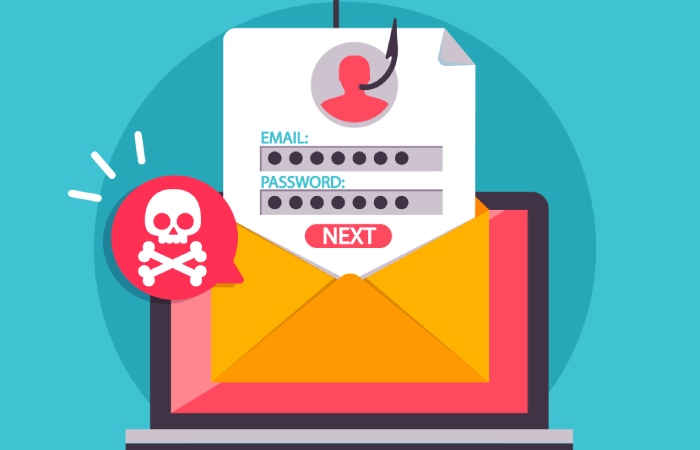
With the Amazon Prime Day shopping event driving shoppers crazy, malicious actors have already set shopping traps to exploit unsuspecting buyers. Therefore, it is vital to draw your line of defense against possible phishing attempts that might catch you unawares.
The highly anticipated online shopping event, Amazon Prime Day, is already here. The event, designed by the e-commerce giant, kicked off on July 15. The chances of data breach look menacingly high, with several worrying statistics surfacing in the last few weeks.
Leading cybersecurity organizations have identified some common scams that shoppers can fall victim to during this shopping event. Staying informed and following the recommended practices would prevent you from getting caught off-guard.
Amazon Shopping Data Breach: Key Statistics
Compared to May 2023, there has been a 16-fold increase in
shopping data breach
es on Amazon Prime in June.
As many as 1,500 new domains related to the term ‘Amazon’ were detected during the mentioned period.
-
1 in 68 of these related domains was associated with Amazon Prime.
A phenomenal rise in fake domains imitating Amazon has been detected, 92% of which are risky.
Related
phishing news
suggests that malicious actors have stepped up their phishing efforts, with 8% of all malicious attempts related to phishing.
With
data phishing
_ on online shopping platforms, such as Amazon, on the rise, buyers must be cautious against falling victim to shopping traps_.
Common Scams Targeting Shoppers on Amazon Prime Day
Here are three common scams that Amazon consumers need to take guard against while shopping.
Phishing Emails
Data phishing
** through emails** continues to be a severe threat. The proliferation of phishing emails can lead to fraudulent transactions and compromised account details.
Scammers impersonate Amazon and send emails to potential victims. They inform users of fabricated issues with their Prime membership. These emails often request users to update their payment details or provide other sensitive information.
To stay safe from these social engineering attempts, avoid unsolicited emails. Also, double-check the sender’s address and refrain from clicking on suspicious links. Remember, legitimate brands like Amazon will never ask for personal information via email.
Fake Domains Imitating Amazon
Cybersecurity experts have discovered a concerning trend: scammers create fake domains and websites impersonating Amazon. They found as many as 1,500 new domains related to the online shopping platform. Most of these are potentially malicious and can lead to shopping data breach es.
Scammers design these fake websites to deceive users who think they are visiting the legitimate Amazon site. Thus, online threat actors trick users into providing financial or personal details.
To draw your line of defense, verify the website’s legitimacy by checking the URL. Check out for unfamiliar domains and stick to the official website of Amazon to ensure a safe shopping experience.
Scam Text Messages
Besides warding off phishing attempts through emails, customers should be aware of text messages resembling shipping notifications, account issues, or order confirmations. Malicious actors dispatch these fake messages to deceive users. Potential victims might click on malicious links or end up disclosing sensitive information.
Being skeptical while dealing with these messages can strengthen your online security. Refrain from sharing information to unsolicited messages and verify the details through the official channels of Amazon.
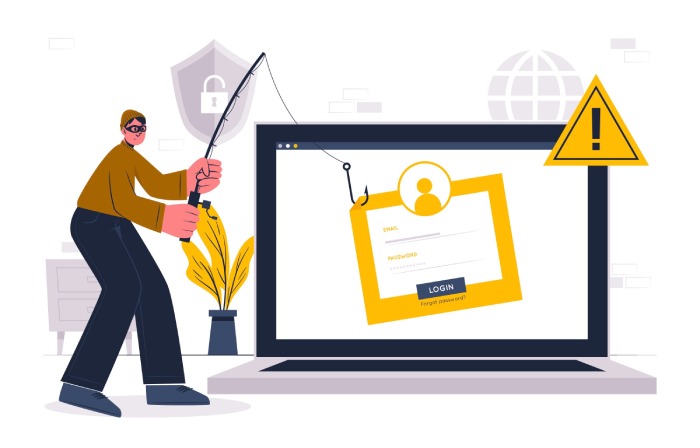
How To Stay Secure on Amazon Prime Day?
Staying vigilant and exercising caution through the following steps can protect consumers from phishing attempts on Amazon Prime Day.
Double-check email senders and website URLs for legitimacy. Scammers often try to imitate official email addresses or website URLs.
Avoid clicking on suspicious links that may redirect you to fraudulent websites.
Add increased security to your Amazon account by enabling two-factor authentication.
Monitor your financial statements and accounts regularly for any suspicious activity.
Final Words
Remember, malicious actors are adept at
data phishing
and exploiting your vulnerabilities on Amazon Prime Day. Also, such cyber fraud attempts are always on the rise. Only tactical and cyber-resilient phishing protection can thwart such potential online scams.
Topics
General Manager
General Manager of DuoCircle. Product strategy and commercial lead across DuoCircle's 2,000+ customer base.
LinkedIn Profile →Protect your inbox from phishing attacks
Real-time email security with 60-day free trial. No credit card required.