Predictive Threat Prevention: Can We Stop Cyberattacks Before They Begin?

Quick Answer
Historically, cybersecurity has operated in a reactive manner. Organizations spent considerable time identifying breaches post-incident and reacting swiftly to limit the fallout. However, with the increasing sophistication of cyber threats, merely responding is insufficient. Hackers now utilize automation, artificial intelligence, and advanced strategies to exploit vulnerabilities at unprecedented speeds.

Historically, cybersecurity has operated in a reactive manner. Organizations spent considerable time identifying breaches post-incident and reacting swiftly to limit the fallout. However, with the increasing sophistication of cyber threats, merely responding is insufficient. Hackers now utilize automation, artificial intelligence, and advanced strategies to exploit vulnerabilities at unprecedented speeds. This evolution has led to the emergence of a new strategy: proactive threat prevention.
Proactive threat prevention focuses on identifying potential cyberattacks before they occur, enabling organizations to mitigate risks in advance rather than reacting to incidents after they happen. However, how feasible is this approach? Can we genuinely prevent cyberattacks ahead of time, or is predictive security merely an optimistic goal? This article delves into the mechanics of predictive threat prevention, as well as its advantages, obstacles, and significance in the evolving landscape of cybersecurity.
What Is Predictive Threat Prevention?
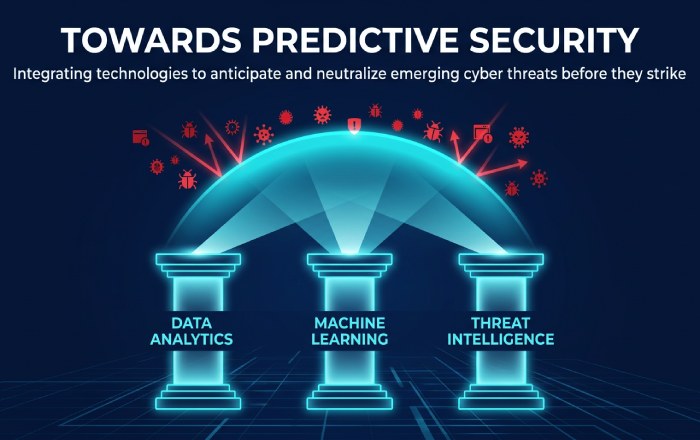
Predictive threat prevention is a cybersecurity approach that leverages data analytics, machine learning, and threat intelligence to detect potential dangers before they escalate into real attacks. Rather than depending solely on established threat signatures or past attack trends, these predictive systems examine behaviors, irregularities, and patterns to anticipate future threats.
How It Differs from Traditional Security
Conventional cybersecurity strategies primarily respond to threats after they occur or, at most, aim to prevent issues based on recognized dangers. Antivirus programs, for instance, identify malware by its signatures, and firewalls are designed to obstruct specific types of harmful traffic. Although these techniques offer some level of protection, they often fall short when facing zero-day attacks and continuously changing threats.
Conversely, predictive threat prevention emphasizes:
- Analyzing behavior instead of relying on fixed signatures
- Correlating data in real-time across various systems
- Employing continuous learning through artificial intelligence
- Anticipating threats by identifying new patterns
This transition allows organizations to progress from a reactive to a proactive stance.
The Technologies Powering Predictive Threat Prevention
The success of predictive threat prevention relies on sophisticated technologies capable of analyzing large amounts of data and detecting faint indicators of potential issues.
Artificial Intelligence and Machine Learning
Predictive security relies heavily on artificial intelligence and machine learning. These technologies scrutinize both past and current data to detect patterns linked to harmful activities. As they encounter new information, they enhance their precision over time.
For instance, machine learning algorithms can identify irregular login patterns, atypical network activity, or unusual user behaviors that could signal a potential threat.
Threat Intelligence Platforms
Threat intelligence platforms compile information from multiple sources, such as worldwide threat feeds, dark web surveillance, and historical incident documentation. This information enables organizations to grasp new threats and foresee possible attack strategies.
Behavioral Analytics
Behavioral analytics aims to comprehend the standard functioning of users and systems. By setting a baseline, predictive systems can swiftly detect irregularities that might indicate harmful intentions.
Automation and Orchestration
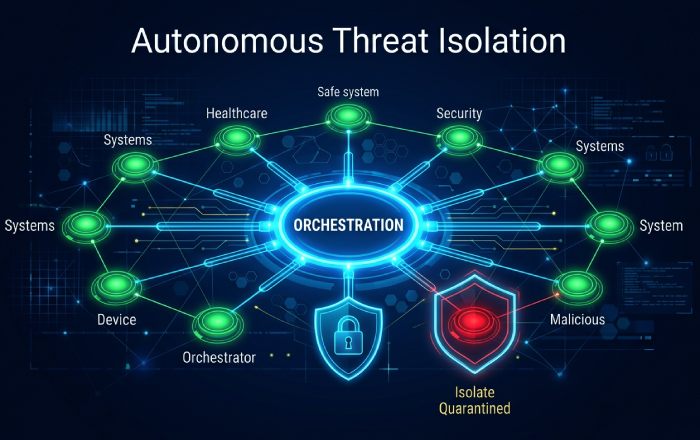
Automation is essential for proactive threat prevention as it facilitates quick reactions to emerging risks. Security orchestration solutions can autonomously isolate compromised systems, halt questionable activities, or generate alerts without the need for human action.
Key Benefits of Predictive Threat Prevention
Embracing a proactive strategy in cybersecurity provides numerous important benefits.
Early Threat Detection
Predictive systems have the capability to spot red flags ahead of a complete attack. This proactive identification enables organizations to take action before any harm is done.
Reduced Response Time
Automating the processes of threat identification and reaction allows organizations to significantly shorten the time needed to tackle possible risks.
Improved Risk Management
Anticipatory threat management offers enhanced understanding of weaknesses and emerging threat patterns, facilitating improved decision-making and more effective use of resources.
Enhanced Resilience
Entities that implement predictive security measures are more capable of enduring attacks, since they can avert a significant number of incidents before they happen.
Challenges and Limitations
Although predictive threat prevention offers significant potential, it also faces various obstacles.
Data Quality and Volume
Predictive systems depend on substantial amounts of reliable data. If the data is incomplete or incorrect, it can result in false alarms or overlooked dangers.
Complexity of Implementation
Implementing predictive security measures necessitates sophisticated infrastructure, experienced personnel, and continuous upkeep. This can pose challenges for smaller companies.
False Positives
Highly reactive predictive systems might identify normal activities as potential threats, which can result in unwarranted interruptions and desensitization to alerts.
Evolving Threat Landscape
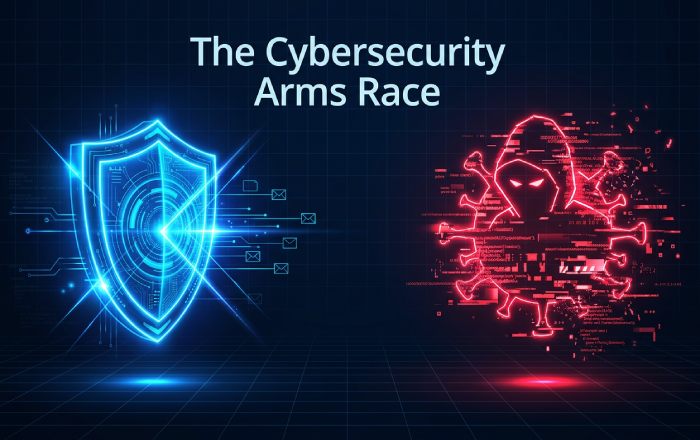
Cybercriminals are always changing their strategies. As forecasting technologies improve, these attackers create new approaches to avoid being caught.
Real-World Applications of Predictive Threat Prevention
Numerous sectors are actively employing predictive threat prevention to improve their security measures.
Financial Services
Financial institutions and banks use predictive analytics to detect fraud and prevent account breaches before they occur.
Healthcare
Healthcare institutions utilize predictive technologies to safeguard confidential patient information and detect possible security breaches within medical networks.
E-commerce
E-commerce businesses utilize predictive threat prevention methods to identify unusual buying patterns and combat payment fraud.
Enterprise IT Environments
Major companies utilize predictive security measures to oversee network operations, detect internal threats, and avert data breaches.
The Role of Human Expertise
While automation and AI hold significant capabilities, the role of human expertise is crucial for effectively preventing potential threats.
Interpreting Complex Data
Security analysts are essential in analyzing data and confirming potential threats flagged by predictive systems.
Strategic Decision-Making
Human involvement is essential for making key choices related to managing risks, executing policies, and responding to incidents.
Continuous Improvement
Security teams need to consistently enhance their predictive models, refresh threat intelligence, and adjust to emerging challenges.
The Future of Predictive Threat Prevention
With ongoing advancements in technology, it is anticipated that predictive threat prevention will grow increasingly sophisticated and more widely available.
Integration with Zero Trust Architecture
In zero-trust frameworks, the importance of predictive security will be significant, as it requires ongoing verification and surveillance.
Increased Use of AI Automation
Upcoming technologies are set to increasingly depend on AI-powered automation for the real-time identification and reaction to threats.
Expansion of Predictive Capabilities
Predictive models will improve in precision and will be better at detecting intricate, multi-step attacks.
Democratization of Security Tools
As prediction technologies advance, they will probably become cheaper and more available to businesses of every scale.
Can We Truly Stop Cyberattacks Before They Begin?
Although it’s unrealistic to stop every cyberattack, using predictive threat prevention greatly enhances security odds. By detecting potential threats early and taking proactive measures, organizations can minimize both the chances and consequences of attacks.
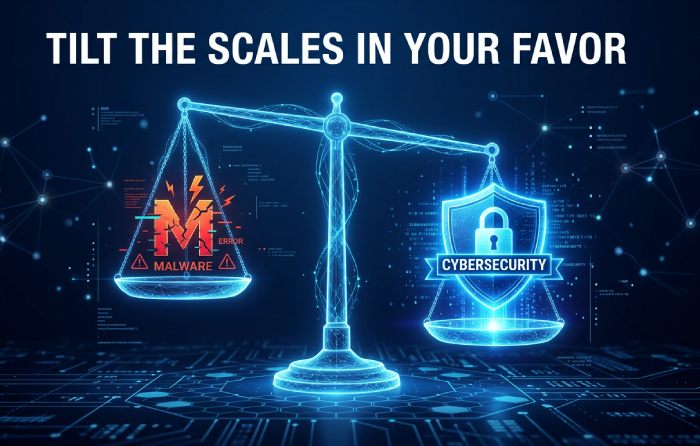
The objective isn’t to achieve total prevention but rather to reduce risks. Predictive security tilts the scales towards defenders, making it more challenging for attackers to prevail.
Conclusion
Predictive threat prevention signifies a significant transformation in the approach to cybersecurity. By utilizing cutting-edge technologies like artificial intelligence, machine learning, behavioral analysis, and phishing protection, businesses can transition from a reactive to a proactive stance on security.
While obstacles still exist, the advantages of predictive threat prevention are evident. It enables earlier identification, faster response times, and greater overall resilience against cyber threats. As the nature of these threats continues to change, implementing predictive security strategies will be increasingly vital.
In the continuous fight against cybercrime, it’s clear that success will favor those who can foresee potential threats rather than merely react to them.
General Manager
General Manager of DuoCircle. Product strategy and commercial lead across DuoCircle's 2,000+ customer base.
LinkedIn Profile →Protect your inbox from phishing attacks
Real-time email security with 60-day free trial. No credit card required.